Evelyn Edwards
The Drover's WifeEvelyn Edwards, the Edwards family matriarch, is both a private authority within the family homestead and a representative of the settler power that defines who may belong there. When Waraganj arrives seeking shelter, Evelyn helps receive her under armed precautions, then tolerates her presence while she works for the household; after learning her story, Evelyn turns against her and watches her closely. The Edwards property and the developing town bear the marks of the family’s wealth and influence, but the town’s name also records a choice made against Evelyn’s own name.
Identity and Family Authority
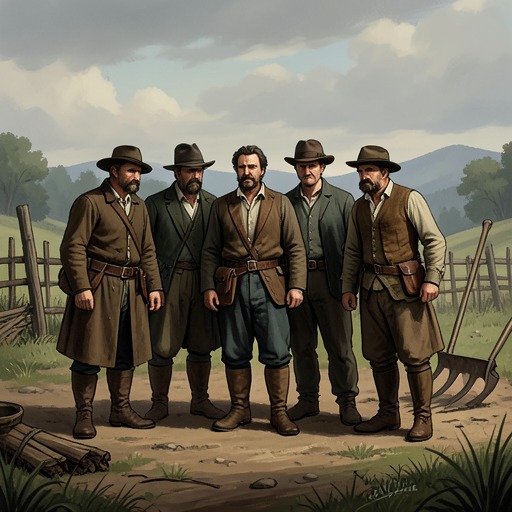
The Edwards family were among the earliest white settlers in the high country, arriving in the early 1820s in search of grazing land. Charles Edwards led an expedition with his youngest son, Neville, and five other men, leaving Evelyn, his wife Florence, and Eleanor, Neville’s wife, at home with a hired teenage boy to do manual work. The women ran the property during the men’s absence, but their authority was not equal: Evelyn’s decisions and judgments carried particular force within the household.
The family’s earlier losses and absences form part of the setting in which Evelyn’s authority operates. Neville and Eleanor’s eldest son, Charles Junior, died in a farming accident, while another son, Phillip, died two days after birth. Their daughter Mavis died not long after marrying, amid talk that she had taken her own life; their younger daughter, Bertha, married and moved to Perth. The next generation’s eventual heir, Frank Neville Charles Edwards, would later extend the family’s fortunes, but Evelyn’s own household life is marked by the death of her husband and by the photograph she keeps of him.
Waraganj’s Arrival and Evelyn’s Vigilance
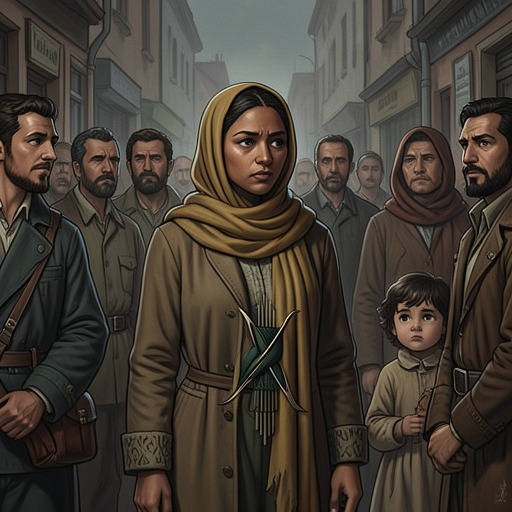
When a distressed woman approaches the Edwards property in torn clothing, Florence initially mistakes her for a white woman in trouble. She gives Eleanor a pistol and asks her to use it if the stranger turns threatening. Evelyn then takes the pistol, cocks it with practised familiarity, and directs Florence to approach while keeping the woman positioned for a clear shot. Only as Florence gets nearer does she recognize that the woman is Aboriginal, though her pale, freckled skin and features suggest mixed ancestry to the settlers.
Waraganj cannot speak English when she first arrives. She tells her story through gestures, movement, and drawings in the dirt, explaining her fear of rejection by her new husband and the other women because of her appearance and ancestry. Eleanor asks that she be allowed to stay as a housemaid. Evelyn tolerates the arrangement, while Eleanor teaches Waraganj English and the household comes to call her Mary. Waraganj works hard and becomes able to converse with the women, but the shelter remains conditional: she understands that obedience and labour are the terms on which she is being looked after.
Suspicion, Racial Hostility, and Expulsion
Evelyn’s distrust is also expressed through the intimacy of the house. Waraganj sees Evelyn grieving over a framed image of her dead husband, whose likeness seems to watch her from behind glass. Evelyn rebukes her for entering the room without knocking, while Waraganj finds both the image and the older woman unsettling. She also notices Evelyn watching her from behind her knitting or from the side of the house, leaving her unsure whether she has done something wrong in her chores.
The atmosphere hardens after Waraganj tells Florence and Eleanor what her mother had told her about her origins. Florence and Eleanor are appalled; Evelyn leaves muttering profanities, and from then on her hostility is unmistakable. She calls the young woman Black Mary and insists that fair skin cannot alter her racial identity. Mary understands the English insult but conceals her hurt, nodding and promising to keep out of Evelyn’s way. The scene shows that her fluency makes the household’s racial contempt more, not less, legible to her.
After the men return from a drove about eight months later, Charles orders Black Mary to leave. Evelyn and Charles detest the emotional farewell between Mary and Eleanor, and Evelyn’s household authority aligns with her husband’s decision. Charles personally marches Mary out through the property gates; she leaves without looking back. Her expulsion establishes the limit of Eleanor’s hospitality: kindness offered by the women cannot protect Waraganj when the patriarchal head of the family asserts control of the land and household.
Family Legacy and the Naming of Everton
The Edwards’ standing in the district grows with their wealth and their involvement in local development. Charles had promised to support the progress of the old outpost, and plans eventually take shape as the area becomes a busy stock route and sale destination. The town was initially to be named Evelyn, after the family matriarch. By the time construction begins, however, the all-male council prefers Everton, a masculine name, and the settlement takes that name instead.
The family’s later prosperity rests in part on Frank’s wool business, which sells local wool in Melbourne to overseas markets and helps keep farmers and drovers employed. The economic depression weakens that business and slows the final stages of Everton’s development. Frank nevertheless keeps his promise to his dying grandfather to finish the town and return to the property. Evelyn’s name survives in the proposed naming of the town rather than in its final name: an emblem of her position within the family, but also of the limits placed on women’s authority in public decisions.
Narrative Significance
Evelyn’s treatment of Waraganj links domestic power to the larger settler order. The property’s household offers temporary shelter, English instruction, and work, but acceptance is governed by racial hierarchy and can be revoked. Evelyn participates first in the armed reception of the stranger, then in the surveillance and denigration that precede her expulsion. Waraganj’s removal from the Edwards land is not a neutral change of residence; it reveals how conditional safety becomes when a person’s ancestry is treated as grounds for exclusion.
The novel later makes the consequences of racial classification explicit through the danger facing Molly Johnson’s children. Miss Shirley invokes the claim that Molly’s father was Charles Edwards and labels the children as mixed-race, prompting Judge Eisenmangher to authorize their removal. Danny brings this threat to Molly by reporting the label used for them, and Molly recognizes its connection to the language once used to mark her own ancestry as a reason for removal. She burns the judge’s signed order before fleeing with her children. Evelyn is not shown participating in this later proceeding; her significance lies instead in the earlier household history that establishes the enduring force of racial definitions and conditional belonging. In the author’s note, the writer connects the novel’s concern with lost culture to government policy that prevented the author’s family from passing Aboriginal culture across generations, placing the fictional family’s vulnerability within a broader history of separation and cultural loss.